

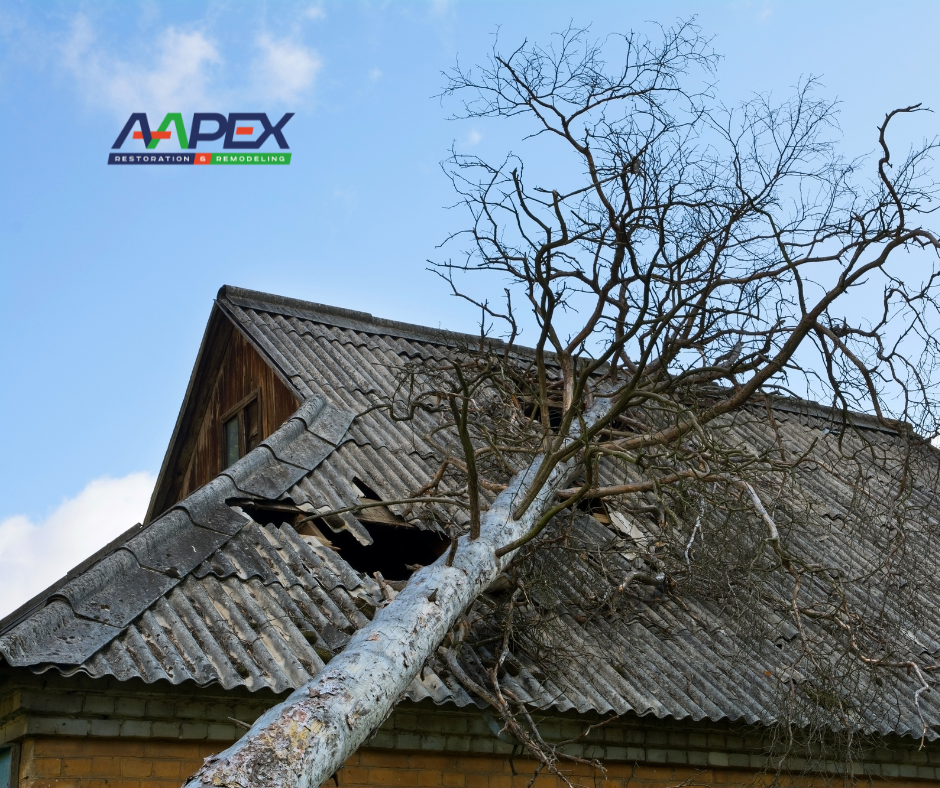
Homeowners often ask whether it is possible to repair only part of a roof instead of replacing the entire system; in many cases, the answer is yes. However, partial roof repairs are not always the right solution, and knowing when a repair makes sense versus when a full replacement is more appropriate requires professional evaluation.
Based on hands-on experience inspecting and repairing roofing systems across Northeast Ohio, partial roof repairs can be effective when damage is isolated, the existing roof is in good condition, and materials are still compatible.
When a Partial Roof Repair Makes Sense
A partial roof repair is typically appropriate when damage is limited to a specific area and the rest of the roof is structurally sound.
Common situations where partial repairs may be effective include:
-
Localized storm damage, such as wind-lifted shingles or impact from fallen debris
-
Minor leaks caused by flashing failure around chimneys, vents, or skylights
-
Isolated shingle deterioration that has not spread across the roof surface
In these cases, replacing only the damaged section can restore protection without the cost of a full roof replacement. Homeowners often pursue repairs through experienced contractors who offer professional asphalt roofing services when the existing roof system is still within its expected lifespan.
When Repairing Only Part of a Roof Is Not Recommended
While partial repairs can be effective, there are situations where they create more problems than they solve.
A full replacement may be the better option when:
-
The roof is nearing the end of its service life
-
Shingles are brittle, curling, or failing across multiple areas
-
Previous repairs have been performed repeatedly
-
Materials are discontinued and cannot be properly matched
According to guidance from the National Roofing Contractors Association, widespread deterioration or aging roofing materials often indicate systemic failure rather than isolated damage.
In these cases, repairing only one section may delay, but not prevent, more extensive issues

Why Roof Age and Material Matter
Roofing materials are designed to perform within a defined lifespan. Asphalt shingles, metal roofing, tile, and slate all age differently, and repairs must account for how close a roof is to the end of its expected service life.
Homeowners comparing repair versus replacement decisions benefit from understanding the life expectancy of common roofing materials, which helps clarify whether continued repairs are a smart long-term investment or a temporary fix.
As roofing systems age, even properly repaired sections may fail sooner due to surrounding material breakdown.
Material Compatibility and Matching Concerns

One of the most overlooked challenges with partial roof repairs is material compatibility. New shingles installed next to older materials may differ in color, thickness, or performance characteristics.
Industry guidance published by the Asphalt Roofing Manufacturers Association explains that mixing roofing materials of different ages can sometimes affect performance and appearance, particularly if the surrounding shingles are already deteriorating.
From a contractor’s perspective, material mismatch is one of the most common reasons homeowners later regret partial repairs.
What About Metal and Commercial Roofing Systems?
Partial repairs are also common in metal and commercial roofing systems, where damage is often localized around seams, fasteners, or penetrations.
For long-term durability, professionally installed metal roofing systems are designed to allow for section repairs without compromising the overall structure, when performed correctly.
Similarly, partial repairs are frequently used in commercial roofing systems, where replacing the entire roof may not be immediately necessary or practical, depending on the scope of damage.
In both cases, proper assessment is critical to avoid moisture intrusion and future failure.
Why a Professional Roof Inspection Is Essential
Determining whether part of a roof can be repaired should never be based on visual inspection alone. Hidden moisture damage, compromised decking, or ventilation issues can exist beneath the surface.
Building science research from the U.S. Department of Energy highlights how trapped moisture and poor ventilation can accelerate roof failure, even after surface-level repairs.
A professional inspection evaluates not just the visible damage, but the condition of the entire roofing system.
Repair vs. Replacement, Making the Right Decision

A partial roof repair can be a practical and cost-effective solution when damage is isolated and the roof still has meaningful service life remaining. However, when a roof shows widespread aging, repeated failures, or material incompatibility, a full replacement often provides better long-term protection and value.
The right solution depends on roof age, material type, extent of damage, and future maintenance expectations.
About AAPEX Restoration
AAPEX Restoration is a family-owned roofing and exterior services company serving homeowners throughout Northeast Ohio. With years of hands-on experience in roof inspection, repair, and replacement, AAPEX provides honest recommendations based on real-world performance, not sales pressure.
